
Nike Tag Guide: A Comprehensive Overview (Updated 12/04/2025)
Navigating Nike’s world requires understanding its tagging system – from early blue rectangular tags to modern 9-digit style codes and production dates․
Nike tags are more than just labels; they’re a historical record and authentication key․ Initially‚ Nike employed simple blue rectangular tags‚ boldly displaying the brand name in white․ These early tags signified authenticity and provided basic product identification․
Over time‚ the tagging system evolved dramatically․ Modern Nike tags now encompass a complex system of size labels‚ 9-digit style codes (SKUs)‚ production date codes‚ and numerical color codes․ Understanding these elements is crucial for collectors‚ resellers‚ and anyone seeking to verify the legitimacy of Nike products․
This guide provides a comprehensive overview of Nike tags‚ decoding their secrets and offering insights into the brand’s rich history and evolving design practices․
Early Nike Tags: The Blue Rectangular Tag
In its infancy‚ Nike tags were humble yet distinctive․ These initial tags were characterized by their simplicity: a blue rectangular shape featuring the Nike name prominently displayed in bold‚ crisp white lettering․ They served as an early identifier of authenticity‚ a visual assurance of the brand’s growing quality․
These early tags weren’t laden with complex codes or production dates․ Their primary function was straightforward – to clearly mark products as genuine Nike merchandise․ While seemingly basic‚ the blue rectangular tag represents a foundational element in Nike’s branding history․
Collectors often prize items bearing these original tags‚ recognizing them as relics from the brand’s formative years․
Decoding Nike Size Tags: A Detailed Breakdown
Understanding Nike size tags extends beyond simply identifying your shoe size․ Modern Nike footwear incorporates a label containing crucial information: size‚ the 9-digit style code (SKU)‚ and production date(s)․ Deciphering these elements unlocks a deeper understanding of your purchase․

The size itself is often presented in both US and UK measurements‚ catering to a broader international audience․ The SKU‚ a key component‚ allows for precise model and colorway identification․ Furthermore‚ the production date codes offer insights into when the shoe was manufactured․

Breaking down these tags empowers consumers and enthusiasts alike‚ aiding in authentication and collection efforts․
Understanding Nike Style Codes (SKU)
Nike’s Style Code‚ also known as the SKU‚ is a 9-digit numerical identifier found on the size label of all modern footwear․ This code isn’t just a random number; it’s a structured system revealing vital information about the shoe․ The first six digits pinpoint the specific model‚ allowing for accurate identification across Nike’s vast product line․
Crucially‚ the final three digits denote the shoe’s colorway․ This means two shoes of the same model but different colors will share the first six digits‚ differing only in the last three․ Understanding this structure is key to differentiating between variations and verifying authenticity․
The 9-Digit Style Code Structure
The 9-digit Nike Style Code (SKU) is the cornerstone of product identification․ Each digit isn’t arbitrary; it’s part of a carefully designed system․ This alphanumeric code‚ prominently displayed on the shoe’s label‚ provides a wealth of information to both consumers and retailers․ It’s a universal language for Nike products‚ transcending regional variations in naming or descriptions․
This structure allows for precise tracking of inventory‚ facilitates online searches‚ and aids in verifying authenticity․ Decoding this code unlocks details about the model and its specific color iteration‚ offering a deeper understanding of the product beyond its visual appearance․
Identifying the Model with the First 6 Digits
The initial six digits of a Nike style code are dedicated to pinpointing the specific model of the shoe․ These digits act as a unique identifier‚ differentiating between countless variations within the Nike lineup․ Think of it as the shoe’s core identity – it tells you what silhouette you’re dealing with‚ whether it’s an Air Max‚ a Blazer‚ or a React model․
This portion of the code remains consistent across all colorways of the same shoe․ By researching these first six digits‚ enthusiasts can quickly determine the shoe’s name‚ release history‚ and associated features․ It’s the key to unlocking the story behind the design․
Color Version Identification: The Last 3 Digits
The final three digits of the Nike style code are crucial for identifying the specific colorway of a particular model․ While the first six digits establish the shoe’s base identity‚ these last three pinpoint the unique color combination applied to it․ A slight alteration in hue or material can result in a different three-digit code․
This allows Nike to offer numerous variations of a single shoe‚ catering to diverse preferences․ Collectors and resellers rely heavily on these digits to accurately catalog and track different colorways․ Understanding this system is vital for anyone seeking a specific Nike release or verifying authenticity․
Nike Production Date Codes

Nike utilizes a coded system to indicate the production date of its footwear‚ typically found on the internal size tag alongside the style code․ This isn’t a straightforward calendar date‚ but rather a two-digit number representing the month and year of manufacture․ Deciphering these codes helps determine a shoe’s age and potential rarity․

For example‚ a code of “24” would signify production in February 2024․ Understanding this system is particularly useful for authenticating vintage or limited-edition releases․ While not always definitive‚ the production date offers valuable insight into a shoe’s history and origin‚ aiding collectors and enthusiasts alike․
Nike Color Codes: A Numerical System
Nike employs a simple numerical system to denote colors on its products‚ appearing as the last three digits of the style code․ This isn’t a complex palette‚ but a core set of numbers representing basic hues․ Understanding this system allows quick identification of a shoe’s colorway․
The code breaks down as follows: 1 signifies white‚ 2 represents brown‚ 3 is green‚ 4 denotes blue‚ 5 is purple‚ 6 is red‚ 7 is yellow‚ and 8 signifies orange․ While variations exist‚ these numbers form the foundation of Nike’s color coding․ This system aids in cataloging and identifying specific color combinations across different models․

Color Code 1: White
Within Nike’s color coding system‚ the number ‘1’ universally represents the color white․ This isn’t just a pure‚ stark white; it encompasses various shades and tones of white used across Nike’s extensive product line․ From crisp‚ clean whites on Air Force 1s to off-whites and creams featured in limited editions‚ ‘1’ is the identifier․
When deciphering a Nike style code‚ spotting ‘1’ in the final three digits immediately signals a white-based colorway․ This simplifies identification‚ even with complex designs incorporating multiple colors․ It’s a foundational element of understanding Nike’s tagging system and quickly recognizing product variations․
Color Code 2: Brown
Nike designates the color brown with the numerical code ‘2’ within its internal color system․ This encompasses a broad spectrum of brown shades‚ ranging from light tans and beiges to rich‚ dark chocolates and reddish-brown hues․ Identifying ‘2’ in a Nike style code’s last three digits indicates a brown-dominant colorway․
This code applies to various materials‚ including leather‚ suede‚ and synthetic fabrics used in footwear and apparel․ Understanding this code allows for quick identification of brown-based Nike products‚ even when combined with other colors․ It’s a key component in decoding the nuances of Nike’s color tagging system․
Color Code 3: Green
Within Nike’s color coding system‚ the number ‘3’ universally represents the color green․ This isn’t limited to a single shade; it covers everything from vibrant lime greens and forest greens to muted olive tones and deep emeralds․ Spotting ‘3’ in the final three digits of a Nike style code signifies a green-focused color scheme․
This code is consistently applied across all Nike product lines‚ including sneakers‚ clothing‚ and accessories․ It allows enthusiasts and retailers to quickly categorize and identify green-colored items․ The simplicity of this numerical system provides a clear and concise method for understanding Nike’s color variations․
Color Code 4: Blue
Nike designates the color blue with the numerical code ‘4’․ This encompasses the entire spectrum of blue shades‚ ranging from light sky blues and powder blues to deep navy blues and vibrant royal blues․ When you encounter ‘4’ within the last three digits of a Nike style code‚ it indicates a product featuring a blue colorway;

This consistent coding system is utilized across all Nike product categories‚ ensuring clarity for both consumers and industry professionals․ It’s a straightforward method for identifying blue-based designs‚ simplifying the process of searching and categorizing Nike’s extensive product range․ The ‘4’ code is a key element in decoding Nike’s color schemes․
Color Code 5: Purple
Within Nike’s color coding system‚ the number ‘5’ universally represents the color purple․ This applies to all variations of purple‚ including lavender‚ lilac‚ violet‚ and deep plum shades․ When deciphering a Nike style code‚ the presence of ‘5’ in the final three digits confirms that the product incorporates a purple hue in its design․
This standardized approach to color identification streamlines product categorization and simplifies the search process for consumers․ Nike’s consistent use of ‘5’ for purple ensures clarity across its diverse product lines․ Understanding this code is crucial for accurately identifying and cataloging Nike items featuring this regal color․
Color Code 6: Red
Nike designates the color red with the numerical code ‘6’․ This consistent application extends to all shades of red‚ encompassing scarlet‚ crimson‚ burgundy‚ and even lighter coral tones․ When examining a Nike product’s style code – the 9-digit identifier – the final three digits will reveal color details; a ‘6’ confirms the inclusion of red in the shoe or apparel’s colorway․
This standardized color coding system allows for efficient inventory management and simplifies product identification for both retailers and enthusiasts․ Knowing that ‘6’ equates to red is a key element in decoding Nike’s tagging language‚ aiding in accurate product searches and collections․
Color Code 7: Yellow
Within Nike’s color coding system‚ the number ‘7’ consistently represents the color yellow․ This encompasses a broad spectrum of yellow shades‚ from bright‚ vibrant lemon yellows to more subdued‚ golden hues and even mustard tones․ When deciphering a Nike style code‚ the last three digits provide color specifics; a ‘7’ indicates the presence of yellow within the product’s color scheme․
This numerical system streamlines product categorization and simplifies identification for both internal operations and customer understanding․ Recognizing ‘7’ as yellow is crucial for anyone seeking to decode Nike tags‚ enabling precise searches and informed purchasing decisions․
Color Code 8: Orange
Nike utilizes the numerical code ‘8’ to denote the color orange across its diverse product lines․ This includes a wide array of orange shades‚ ranging from bright‚ energetic tangerine and coral tones to deeper‚ more muted burnt orange and rust variations․ When examining a Nike product’s style code‚ the final three digits reveal the specific colorway; an ‘8’ signifies the inclusion of orange in the design․
This standardized color coding system allows for efficient inventory management and clear communication regarding product aesthetics․ Understanding that ‘8’ equates to orange is essential for anyone attempting to interpret Nike tags accurately․
Nike Access Codes and Limited Releases
Nike frequently employs access codes for highly sought-after‚ limited-edition releases‚ creating an exclusive experience for select consumers․ These codes‚ distributed via email or the Nike app‚ grant early or guaranteed access to purchase coveted sneakers and apparel․ Remember the Rainbow Flyknit Racer release in February 2024‚ which utilized this system?
The access code system aims to combat bots and resellers‚ prioritizing genuine Nike enthusiasts․ While not directly visible on product tags‚ understanding this release mechanism is crucial for navigating the world of limited Nike drops․ These codes represent a digital layer of authentication and exclusivity․
Authenticating Nike Products Using Tags
Nike tags are vital tools in verifying product authenticity‚ protecting consumers from counterfeit goods; Examining the style code (SKU) – the 9-digit number – is a primary step․ Ensure the code aligns with legitimate Nike databases and corresponds to the model and colorway․
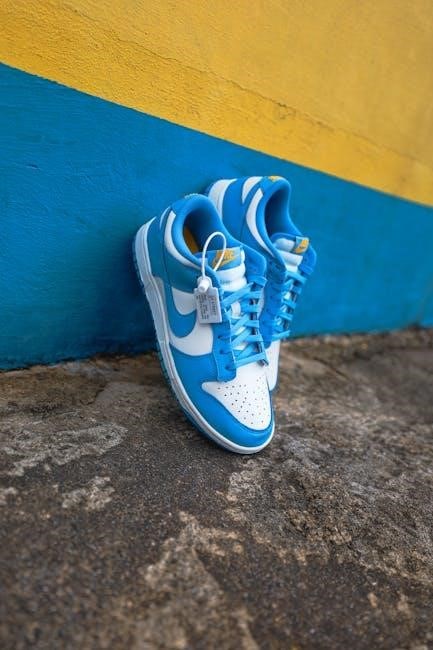
Inspect the tag’s quality; genuine tags exhibit crisp printing and secure attachment․ Cross-reference production dates with release timelines․ While tags aren’t foolproof‚ inconsistencies – errors‚ poor quality‚ or mismatched information – raise red flags․ Remember‚ all modern Nike footwear includes a size label with crucial details for verification․
The Evolution of Nike Tag Design
Nike’s tag design has undergone a significant transformation since its inception․ Initially‚ tags were simple blue rectangles featuring bold white “Nike” lettering – a humble yet distinctive marker of authenticity․ Over time‚ these evolved to incorporate more detailed information‚ including style codes (SKUs) and production dates․

Modern tags are more sophisticated‚ utilizing 9-digit codes for precise model and color identification․ The introduction of color codes further refined the system․ This evolution reflects Nike’s growth and commitment to combating counterfeiting‚ providing consumers with increasingly reliable methods for verifying product legitimacy․
Where to Find the Nike Tag Information
Locating Nike tag information is generally straightforward․ All modern Nike footwear prominently displays a size label‚ typically stitched inside the shoe’s tongue or along the inner sidewall․ This label contains crucial details: size‚ the 9-digit style code (SKU)‚ and production date(s)․
Occasionally‚ additional tags may be present on the shoe’s box or attached to the product itself․ Online‚ Nike’s official website and authorized retailers often list style codes in product descriptions․ Remember to carefully inspect the shoe and packaging for these vital identifiers‚ aiding in authentication and understanding your Nike purchase․
Common Nike Tag Terminology

Understanding Nike’s jargon is key to decoding their tags․ A Style Code (SKU) is the 9-digit number identifying the specific model and colorway․ The tag itself refers to the label containing this information‚ usually found inside the shoe․ Color Codes are numerical representations of colors – 1 for white‚ 6 for red‚ and so on․
Access Codes relate to limited releases and exclusive access opportunities․ Discussions around tags often involve terms like “Blue Tag” referencing early Nike designs․ Familiarizing yourself with these terms will significantly enhance your ability to authenticate and understand the details of your Nike products․