
Woody plants, central to landscape design, offer year-round structure and beauty. These plants, including trees and shrubs, are vital for ecological balance and aesthetic appeal.
Defining Woody Plants
Woody plants are distinguished by their persistent, above-ground stems containing wood – a structural tissue providing rigidity and support. This differentiates them from herbaceous plants, which have soft, non-woody stems. Trees, shrubs, and vines exhibiting this woody structure fall into this category.
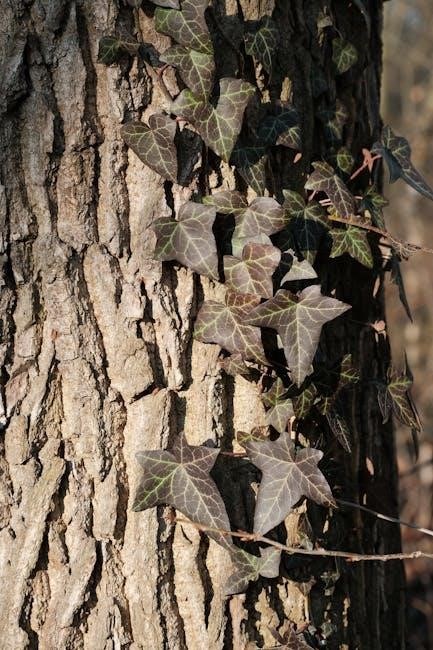
The woody stem allows for increased size and longevity, enabling these plants to live for many years. Woody plants are categorized by their growth habit: trees typically have a single dominant trunk, shrubs have multiple stems arising from the base, and vines climb or trail. Understanding these characteristics is fundamental when selecting plants for specific landscape applications, ensuring both functionality and visual harmony.
Importance of Woody Plants in Landscaping
Woody plants form the backbone of most successful landscapes, providing essential structure and enduring beauty. They offer year-round interest, with seasonal variations in foliage, flowers, and even bark texture. Beyond aesthetics, they deliver crucial environmental benefits, including shade, windbreaks, and habitat for wildlife.
Strategically placed trees can reduce energy costs by providing summer shade and winter wind protection. Shrubs define spaces, create privacy, and contribute to soil stability. Their longevity makes them a sustainable landscaping choice, reducing the need for frequent replacements. Properly selected woody plants significantly enhance property value and overall quality of life.
Plant Selection Criteria
Successful landscaping hinges on careful plant selection, considering factors like climate, soil, sunlight, and mature size to ensure long-term health and beauty.
Climate and Hardiness Zones
Understanding climate is paramount when choosing woody landscape plants. The USDA Plant Hardiness Zone Map divides North America into zones based on average minimum winter temperatures. This system guides gardeners in selecting plants likely to thrive in their specific location.
Selecting plants suited to your zone ensures survival through cold seasons. Microclimates – localized areas differing from the overall zone – also matter. Factors like wind exposure, sun reflection, and proximity to buildings can create warmer or colder pockets within a garden.
Consider not only winter hardiness but also heat tolerance, humidity levels, and the length of the growing season. Matching plant needs to your climate minimizes stress and promotes vigorous growth, reducing the need for extensive maintenance.
Soil Requirements and Drainage
Soil composition significantly impacts the health and establishment of woody plants. Ideal soil provides a balance of sand, silt, and clay, offering both drainage and nutrient retention. Soil pH, measuring acidity or alkalinity, also influences nutrient availability; most woody plants prefer slightly acidic to neutral conditions.
Drainage is crucial; waterlogged soil suffocates roots, leading to decline and potential death. Heavy clay soils often require amendment with organic matter like compost to improve drainage. Conversely, sandy soils drain quickly and may need amendments to retain moisture and nutrients.
A simple percolation test can assess drainage. Before planting, analyze your soil’s texture and pH to determine necessary amendments for optimal growth. Proper soil preparation is a foundational step for a thriving landscape.
Sunlight Exposure and Considerations
Sunlight is a primary driver of photosynthesis, influencing a woody plant’s growth and flowering. Understanding a plant’s light requirements – full sun, partial shade, or full shade – is essential for successful establishment. “Full sun” generally means six or more hours of direct sunlight daily.
Consider site conditions. Buildings, trees, and fences create shade patterns that change throughout the day and year. South-facing slopes receive more intense sunlight than north-facing ones. Observe the site before planting to accurately assess light availability.
Matching plant to light prevents stress and promotes vigor. Plants deprived of adequate light become leggy and produce fewer flowers. Conversely, plants exposed to too much sun can suffer leaf scorch. Careful planning ensures optimal growth.
Common Woody Landscape Plant Types
Diverse woody plants enhance landscapes. Trees provide structure, while shrubs offer texture and seasonal interest, creating visually appealing outdoor spaces for enjoyment.
Deciduous Trees
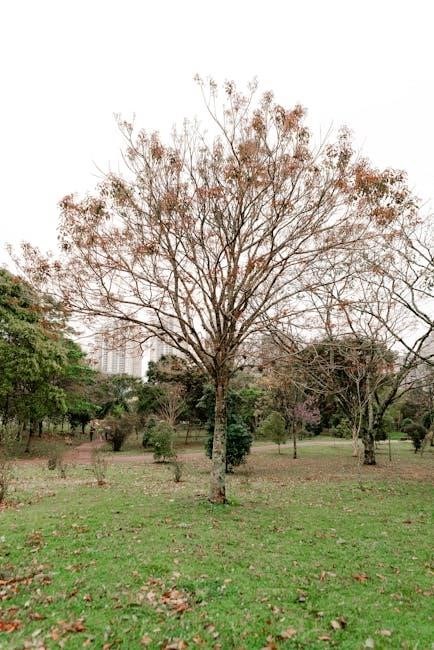
Deciduous trees, known for their seasonal leaf display, are landscape staples. They offer vibrant autumn colors and provide cooling shade during warmer months. These trees lose their leaves annually, allowing sunlight to penetrate in winter.
Selecting the right deciduous tree involves considering mature size, growth rate, and aesthetic preferences. Popular choices include Maples (Acer species) celebrated for their brilliant fall foliage and diverse forms, and Oaks (Quercus species) valued for their strength, longevity, and ecological benefits.
Proper placement is crucial, ensuring sufficient space for growth and avoiding conflicts with structures or utilities. Deciduous trees contribute significantly to a landscape’s beauty and environmental health.
Maple Trees (Acer species)
Maple trees (Acer species) are highly prized for their spectacular fall color, ranging from vibrant reds and oranges to yellows and golds. They offer diverse forms, including upright, weeping, and rounded shapes, fitting various landscape designs. Popular cultivars include Sugar Maples (Acer saccharum), known for maple syrup production and brilliant autumn hues, and Red Maples (Acer rubrum), adaptable to various soil conditions.
Maples prefer well-drained, slightly acidic soil and benefit from protection from harsh afternoon sun, especially in warmer climates. Proper pruning encourages strong structure and optimal color development. They are susceptible to certain pests and diseases, requiring monitoring and preventative care.
Oak Trees (Quercus species)
Oak trees (Quercus species) represent strength, longevity, and ecological importance in the landscape. These majestic trees provide substantial shade and support diverse wildlife. Varieties range from White Oaks (Quercus alba), known for their light-colored bark and reliable acorn production, to Red Oaks (Quercus rubra), displaying pointed leaf lobes and reddish fall color.
Oaks generally thrive in well-drained soils and full sun. They are relatively low-maintenance once established, but young trees benefit from regular watering during dry periods. Potential issues include oak wilt and acorn weevils, necessitating preventative measures. Their robust root systems contribute to soil stability and erosion control.
Evergreen Trees
Evergreen trees provide year-round visual interest and structure within the landscape, offering crucial winter color and windbreaks. Unlike deciduous trees, they retain their foliage throughout the year, contributing to consistent aesthetic appeal. Popular choices include pines, spruces, and firs, each possessing unique characteristics regarding needle shape, size, and growth habit.
Evergreens generally prefer well-drained, slightly acidic soils and full sun exposure. Proper spacing is crucial to allow for mature size and prevent overcrowding. Potential concerns include susceptibility to certain pests and diseases, like needle cast, requiring proactive monitoring and treatment. They are excellent for creating privacy screens and foundation plantings.
Pine Trees (Pinus species)
Pine trees, belonging to the Pinus genus, are widely recognized for their needle-like leaves bundled in fascicles and their characteristic cones. They exhibit diverse forms, ranging from towering white pines to compact mugo pines, offering versatility in landscape applications. Pines generally thrive in full sun and well-drained, sandy loam soils, demonstrating tolerance to various conditions.
Common landscape pines include Scotch pine (Pinus sylvestris) and Eastern white pine (Pinus strobus). Potential issues include pine needle scale and sawfly infestations. Proper pruning, focused on removing dead or damaged branches, promotes healthy growth. Pines provide excellent windbreaks and visual screening, adding a classic evergreen element to any landscape.
Spruce Trees (Picea species)
Spruce trees, classified under the genus Picea, are distinguished by their sharp, four-sided needles attached individually to the branches. They are popular choices for creating formal landscapes and providing year-round greenery. Spruce trees generally prefer cool climates and moist, well-drained, acidic soils, though adaptability varies by species.
Notable landscape spruces include Colorado blue spruce (Picea pungens) and Norway spruce (Picea abies). Common concerns involve spruce spider mites and needle cast diseases. Pruning should be minimal, primarily removing lower branches for clearance. Spruce trees offer excellent privacy screens and windbreaks, contributing a stately presence to any outdoor space.
Shrubs
Shrubs are woody plants smaller than trees, typically with multiple stems arising from or near the ground. They form a crucial layer in landscape design, offering versatility in texture, form, and seasonal interest. Shrubs can serve as foundation plantings, hedges, specimen plants, or components of mixed borders.
They are broadly categorized into flowering and evergreen types. Flowering shrubs, like hydrangeas and lilacs, provide vibrant blooms, while evergreens, such as boxwood and yew, offer year-round structure. Proper pruning is essential for maintaining shape and promoting flowering. Selecting shrubs suited to the local climate and soil conditions is vital for long-term health and aesthetic appeal.
Flowering Shrubs (e.g., Hydrangea, Lilac)
Flowering shrubs introduce bursts of color and fragrance into the landscape, becoming focal points during their bloom periods. Hydrangeas, known for their large, showy flower heads, thrive in partial shade and moist soils, offering a range of colors depending on soil pH. Lilacs, with their intensely fragrant panicles, prefer full sun and well-drained soil.
Proper pruning techniques vary by species; some bloom on old wood, requiring pruning immediately after flowering, while others bloom on new wood, pruned in late winter. These shrubs attract pollinators, enhancing garden biodiversity. Careful selection based on bloom time and color ensures a prolonged and visually appealing display throughout the growing season.
Evergreen Shrubs (e.g., Boxwood, Yew)
Evergreen shrubs provide year-round structure and visual interest, serving as foundational elements in landscape designs. Boxwood, prized for its dense foliage and formal appearance, tolerates shearing well, making it ideal for hedges and topiary. Yew, known for its longevity and shade tolerance, offers a more relaxed, natural form.
These shrubs generally prefer well-drained soil, though specific needs vary. Regular pruning maintains shape and encourages dense growth. They offer excellent privacy screening and windbreaks. Consider mature size when selecting varieties to ensure they fit the intended space. Both boxwood and yew are relatively low-maintenance, contributing to sustainable landscaping practices.
Planting and Establishment
Successful establishment hinges on proper planting depth, adequate watering, and initial fertilization. Careful root ball handling and appropriate backfilling are crucial for healthy growth.
Proper Planting Techniques
Digging the hole is paramount; it should be twice as wide as the root ball but no deeper. Avoid planting too deeply, as this can lead to root suffocation and eventual decline. Gently remove the plant from its container, carefully loosening any circling roots.
Inspect the root system and prune any damaged or girdling roots. Position the plant in the hole, ensuring the root flare (where the trunk widens) is slightly above the surrounding soil level.
Backfill with the original soil, amended with compost if desired, and gently tamp to eliminate air pockets. Avoid excessive compaction, which hinders root growth. Finally, water thoroughly to settle the soil and provide initial hydration.
Watering and Fertilization
Newly planted woody plants require consistent watering, especially during the first growing season. Deep, infrequent watering encourages deep root development, enhancing drought tolerance. Monitor soil moisture levels and adjust watering frequency accordingly, avoiding both overwatering and underwatering.
Fertilization should be based on soil testing results. Generally, young plants benefit from a balanced fertilizer applied in early spring.
Avoid fertilizing newly planted trees and shrubs immediately, as this can burn the roots. Mature plants may require less frequent fertilization, or none at all, depending on soil fertility and plant needs. Organic amendments, like compost, provide slow-release nutrients and improve soil health.
Mulching and Weed Control
Mulching is crucial for successful woody plant establishment and long-term health. A 2-4 inch layer of organic mulch – wood chips, shredded bark, or compost – conserves soil moisture, suppresses weed growth, and moderates soil temperature. Keep mulch a few inches away from the plant’s stem to prevent rot.
Regular weed control is essential, as weeds compete with woody plants for water, nutrients, and sunlight. Hand-pulling weeds is effective for small areas.
For larger areas, consider using a pre-emergent herbicide to prevent weed seeds from germinating, or a post-emergent herbicide to control existing weeds, always following label instructions carefully.
Maintenance and Pruning
Regular maintenance, including pruning, is vital for healthy, attractive woody plants. Pruning promotes growth, removes deadwood, and shapes the plant’s structure effectively.
Pruning for Shape and Health
Strategic pruning is essential for maintaining both the aesthetic form and the physiological well-being of woody landscape plants. Removing dead, damaged, or diseased branches improves air circulation and light penetration, reducing the risk of fungal infections and pest infestations.
Proper pruning techniques encourage robust growth and flowering. For example, thinning cuts remove entire branches at their origin, promoting a more open structure, while heading cuts shorten branches, stimulating bushier growth.
The timing of pruning is also crucial; generally, prune flowering shrubs immediately after bloom, and dormant pruning is best for most trees and shrubs during late winter or early spring. Always use sharp, clean tools to minimize damage and facilitate healing.
Disease and Pest Management
Proactive disease and pest management is crucial for maintaining healthy woody landscape plants. Regular inspection for signs of infestation or infection – such as leaf spots, wilting, or unusual growths – allows for early intervention.
Cultural practices, like proper spacing for air circulation and avoiding overhead watering, can prevent many problems. When issues arise, identify the specific pest or disease before applying treatments.
Integrated Pest Management (IPM) prioritizes less toxic solutions, such as introducing beneficial insects or using horticultural oils. Chemical controls should be a last resort, applied according to label instructions, and targeting specific pathogens like Pseudomonas syringae.
Winter Protection Strategies
Protecting woody plants during winter is vital, especially in colder climates. Anti-desiccant sprays can shield evergreens from drying winds and sun scald. Wrapping trunks of young trees with burlap protects against rodent damage and temperature fluctuations.
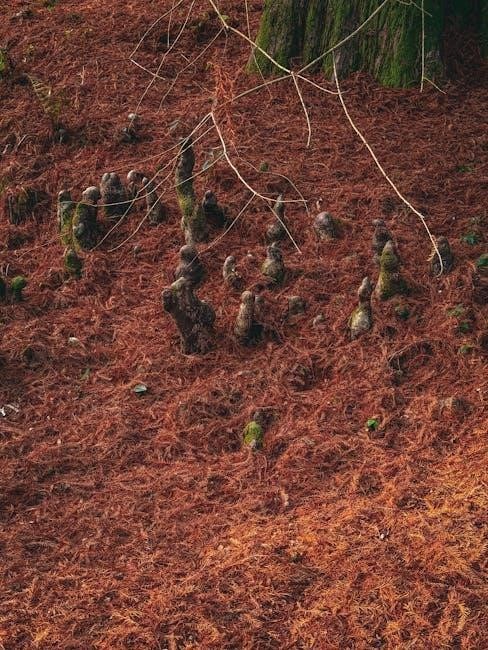
Applying a thick layer of mulch around the base of plants insulates roots and retains moisture. For sensitive shrubs, consider constructing windbreaks using burlap screens or evergreen boughs.
Container-grown plants are particularly vulnerable; move them to a sheltered location or wrap containers with insulation. Proper winter preparation minimizes stress and ensures vigorous growth in the spring.
Specific Plant Considerations
Individual plant needs vary greatly; assessing disease resistance, pest susceptibility, and specific pathogen vulnerabilities—like Pseudomonas syringae—is crucial for long-term health.
Disease Resistance in Woody Plants
Selecting disease-resistant cultivars is paramount for sustainable landscapes. Many woody plants are susceptible to various pathogens, including bacterial and fungal diseases. Pseudomonas syringae, for example, is an opportunistic pathogen affecting numerous ornamentals, causing blights and cankers.
Understanding a plant’s genetic predisposition to disease is key. Breeders continually develop varieties with enhanced resistance. Consider regional disease pressures when choosing plants; what thrives in one area may struggle in another. Proper cultural practices – adequate spacing for air circulation, appropriate pruning, and avoiding overhead irrigation – bolster plant defenses.
Regular monitoring for early symptoms allows for timely intervention, minimizing disease spread and reducing reliance on chemical controls. Prioritizing resistant varieties reduces long-term maintenance and promotes healthier landscapes.

Common Pests Affecting Woody Plants
Woody landscape plants face threats from a diverse range of insect pests. Aphids, scale insects, and mites are frequently encountered, causing foliage damage and reduced vigor. Borers can tunnel into stems and trunks, potentially killing the plant.
Early detection is crucial. Regularly inspect plants for signs of infestation – leaf discoloration, webbing, or visible insects. Cultural controls, like maintaining plant health through proper watering and fertilization, can increase resistance. Introducing beneficial insects, such as ladybugs, provides natural pest control.
When intervention is necessary, consider targeted insecticide applications, prioritizing those with minimal impact on beneficial organisms. Integrated Pest Management (IPM) strategies are essential for long-term, sustainable pest control.
Addressing Bacterial Pathogens (e.g., Pseudomonas syringae)
Addressing Bacterial Pathogens (e.g., Pseudomonas syringae)
Pseudomonas syringae is an opportunistic bacterial pathogen impacting numerous woody ornamentals, causing blights and cankers. Symptoms include leaf spots, twig dieback, and sometimes, stem lesions. Disease development is favored by cool, wet weather conditions.
Management focuses on preventative measures. Prune infected branches during dry periods, disinfecting tools between cuts to avoid spreading the pathogen. Improve air circulation through proper plant spacing. Avoid overhead irrigation, which promotes bacterial spread.
Copper-based bactericides can offer some protection, particularly when applied preventatively. However, resistance can develop. Maintaining overall plant health is paramount, as stressed plants are more susceptible to infection. Accurate diagnosis is crucial before applying any treatment.
Cultural Significance of Plants
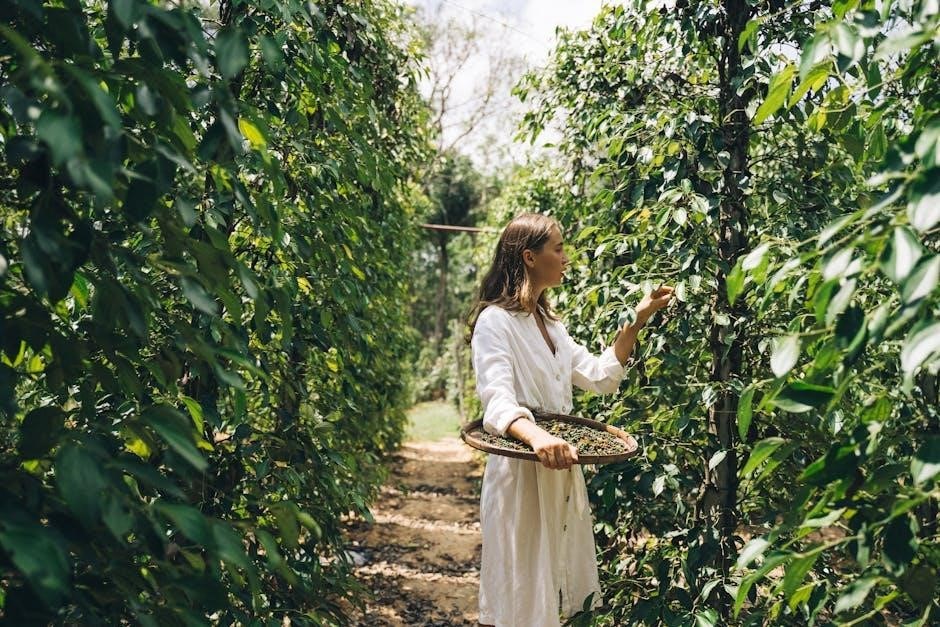
Trees and shrubs often symbolize unity, heritage, and celebration across cultures, notably through traditions like the Chinese Mooncake Festival and gifting practices.
Symbolism of Trees and Shrubs
Throughout history, trees and shrubs have held profound symbolic meaning across diverse cultures. The round shape of mooncakes, a traditional Chinese pastry, represents the fullness of the moon and familial unity, often gifted during the Mid-Autumn Festival.
Trees frequently embody strength, longevity, and connection to ancestral roots. Specific species carry unique connotations; for example, certain evergreens symbolize resilience and enduring life. Shrubs, often associated with boundaries and protection, can also represent growth and abundance.
The gifting of these plants, or representations of them, signifies respect, goodwill, and a desire for prosperity. These botanical symbols are deeply interwoven with cultural traditions and beliefs, enriching the landscape beyond its aesthetic qualities.
Traditional Uses of Woody Plants
Historically, woody plants provided essential resources beyond aesthetics. Mooncakes, traditionally filled with lotus paste, nuts, or red bean paste, demonstrate a culinary use tied to cultural celebrations like the Mid-Autumn Festival.
Wood from trees served as primary building material, fuel, and tools. Shrubs yielded medicinal compounds, dyes, and fibers for clothing. Many cultures developed intricate knowledge of plant properties, utilizing them for healing, rituals, and sustenance.
These traditional practices fostered a deep connection between people and the natural world. The symbolic gifting of mooncakes, for instance, represents a connection to heritage and shared traditions. Understanding these historical uses enriches our appreciation for woody plants’ multifaceted value.
Resources and Further Information
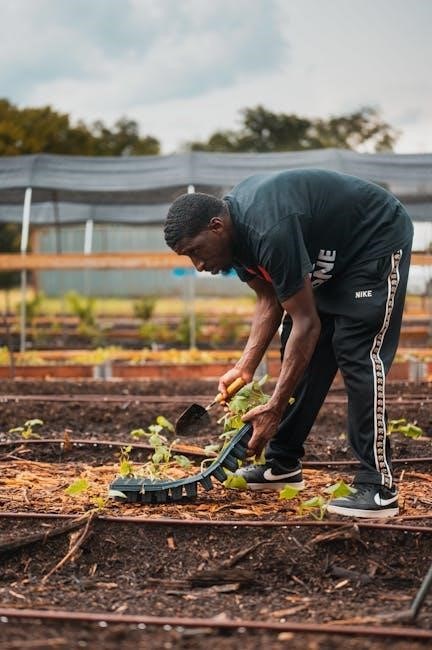
Expanding your knowledge of woody landscape plants requires diverse resources. Online databases, like those detailing the cultural significance of mooncakes and the Mid-Autumn Festival, offer insights into plant symbolism. University extension services provide regionally specific guidance on plant selection and care.
Professional organizations, such as the International Society of Arboriculture, offer certifications and educational materials. Botanical gardens and arboretums provide opportunities for firsthand observation and learning.
Furthermore, exploring resources detailing Pseudomonas syringae, a bacterial pathogen affecting woody ornamentals, is crucial for plant health management. Local nurseries and experienced landscape professionals can also offer valuable advice tailored to your specific needs and climate.