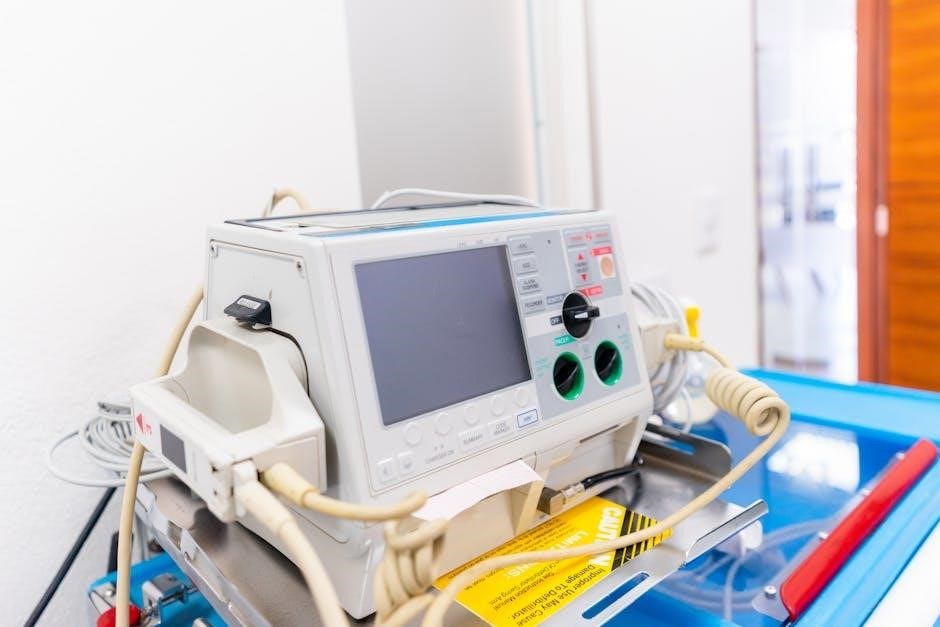
Adult and Pediatric CPR/AED and First Aid equips participants with vital skills to respond effectively during emergencies‚ potentially preventing fatalities through prompt intervention.
This comprehensive training‚ offered by ASHI accredited centers‚ provides a two-year certification‚ ensuring readiness in critical situations‚ as detailed in available manuals.
Importance of Training
Immediate response is crucial in emergency situations‚ and comprehensive CPR‚ AED‚ and First Aid training empowers individuals to become lifesavers. Knowing how to administer aid before professional help arrives can dramatically increase survival rates‚ particularly in cases of cardiac arrest or choking.
This training isn’t just for healthcare professionals; anyone can learn these skills and make a difference. The ability to recognize emergency signs‚ perform effective chest compressions‚ utilize an AED‚ and control bleeding are invaluable assets in both personal and professional settings.
Furthermore‚ understanding these procedures builds confidence and reduces panic during stressful events. Accessing a participants manual PDF reinforces learning and serves as a quick reference guide. Investing in this training is an investment in community safety and personal preparedness‚ potentially saving lives and minimizing long-term consequences of emergencies.
Course Overview & Certification (2-Year Validity)
This CPR‚ AED‚ and First Aid course provides comprehensive instruction covering adult‚ child‚ and infant emergency scenarios. Participants will learn vital skills‚ including chest compression techniques‚ AED operation‚ choking relief methods‚ and bleeding control procedures‚ often referencing a detailed participants manual PDF for reinforcement.
The curriculum‚ accredited by organizations like ASHI‚ emphasizes hands-on practice and real-world application. Upon successful completion‚ students receive a certification card‚ validating their proficiency in these life-saving techniques.
Importantly‚ this certification is valid for two years‚ necessitating recertification to maintain competency and stay updated with the latest guidelines. Regular refresher courses and access to updated manuals are highly recommended to ensure continued readiness and confidence in responding to emergencies effectively.

Understanding CPR Fundamentals
CPR techniques‚ detailed in the participants manual PDF‚ focus on restoring blood circulation and breathing‚ crucial for survival until advanced medical help arrives.
Adult CPR Techniques
Adult CPR‚ thoroughly explained within the First Aid/CPR/AED participants manual‚ begins with ensuring scene safety and checking for responsiveness. If unresponsive‚ immediately call for help or delegate someone to do so.
Next‚ confirm the absence of normal breathing. Commence chest compressions – pushing hard and fast in the center of the chest at a rate of 100-120 compressions per minute‚ and a depth of at least 2 inches. Allow for full chest recoil between compressions.
After every 30 compressions‚ deliver two rescue breaths‚ ensuring visible chest rise. Continue this cycle of 30 compressions and 2 breaths until professional help arrives‚ an AED is ready for use‚ or the individual shows signs of life. Proper hand placement and technique‚ as illustrated in the manual‚ are vital for effective CPR.
Infant CPR Techniques
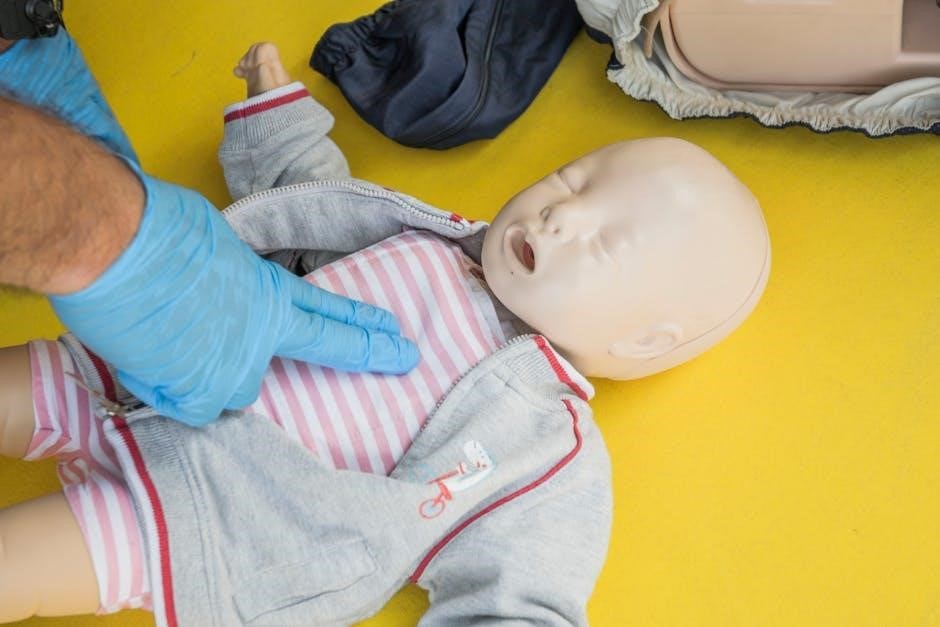
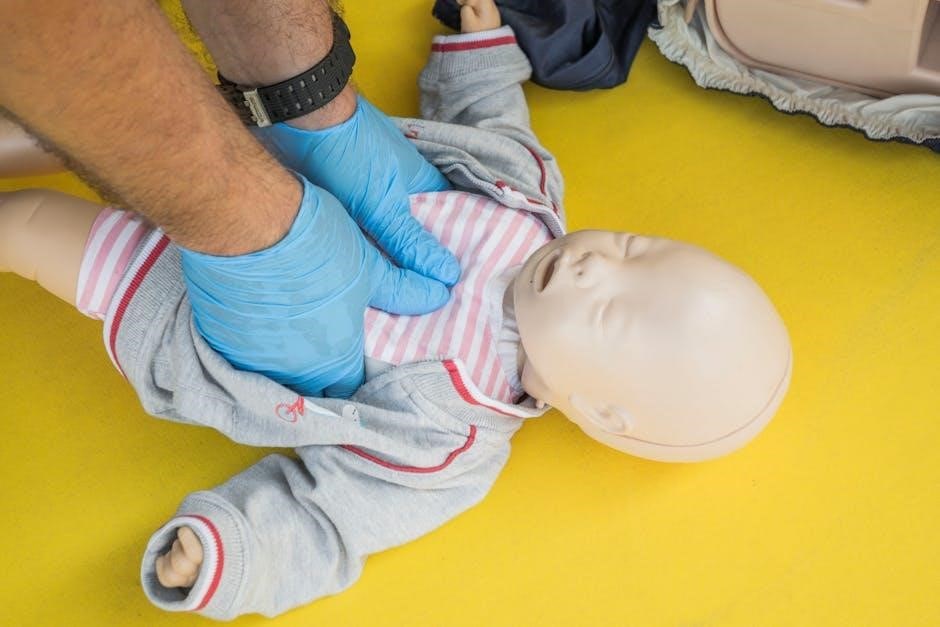
Infant CPR‚ detailed in the First Aid/CPR/AED participants manual‚ differs from adult techniques due to an infant’s smaller size and delicate structure. Begin by assessing scene safety and checking for responsiveness‚ gently tapping the foot and shouting.
If unresponsive‚ activate emergency services. Check for breathing; if absent‚ deliver 30 gentle chest compressions using two fingers (index and middle) on the center of the infant’s chest‚ compressing about 1.5 inches at a rate of 100-120 per minute.

Follow with two rescue breaths‚ covering the infant’s mouth and nose with your mouth‚ ensuring visible chest rise. Continue cycles of 30 compressions and 2 breaths until help arrives or the infant shows signs of life. The manual emphasizes gentle yet effective technique for optimal outcomes.
Child CPR Techniques
Child CPR‚ as outlined in the First Aid/CPR/AED participants manual‚ adapts techniques for children ranging from one year to puberty. After ensuring scene safety and checking for responsiveness‚ activate emergency services if the child is unresponsive and not breathing normally.
Assess for breathing; if absent‚ deliver 30 chest compressions using the heel of one or two hands (depending on the child’s size) on the lower half of the breastbone‚ compressing approximately 2 inches at a rate of 100-120 compressions per minute.
Follow with two rescue breaths‚ ensuring visible chest rise. Continue cycles of 30 compressions and 2 breaths until professional help arrives or the child exhibits signs of life. The manual stresses the importance of adapting compression depth to the child’s size.
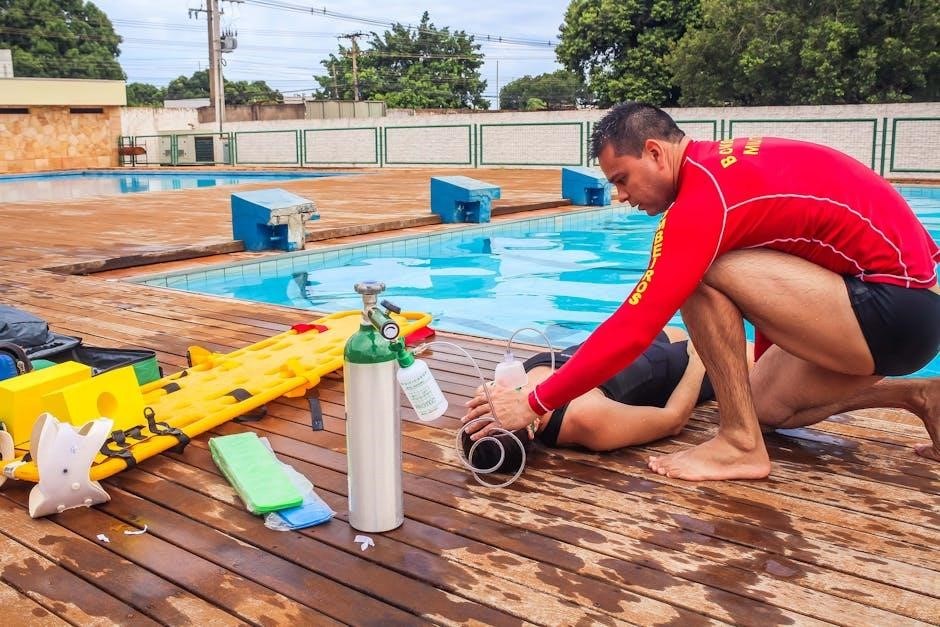
Automated External Defibrillator (AED) Usage
AED operation‚ detailed in the participants manual‚ is crucial for sudden cardiac arrest; following step-by-step instructions and safety precautions maximizes effectiveness and patient outcomes.
AED Safety Precautions
Prior to AED use‚ ensure the scene is safe for both the rescuer and the victim – no hazards like water or flammable materials should be present. Never touch the patient while the AED is analyzing or delivering a shock; clearly announce “Clear!” before pressing the shock button‚ verifying no one is in contact.
Remove any medical patches from the chest before applying AED pads to ensure proper adhesion and effective shock delivery. Avoid placing pads over implanted devices like pacemakers or defibrillators – refer to the participant manual for specific guidance. Regularly inspect the AED to confirm it’s functioning correctly‚ with fully charged batteries and undamaged pads.
Always follow the voice prompts provided by the AED; it guides you through each step of the process. Remember‚ the AED is designed to be user-friendly‚ even for those with limited training‚ but understanding these precautions is paramount for safe and effective use‚ as detailed in comprehensive CPR/AED/First Aid manuals.
Step-by-Step AED Operation
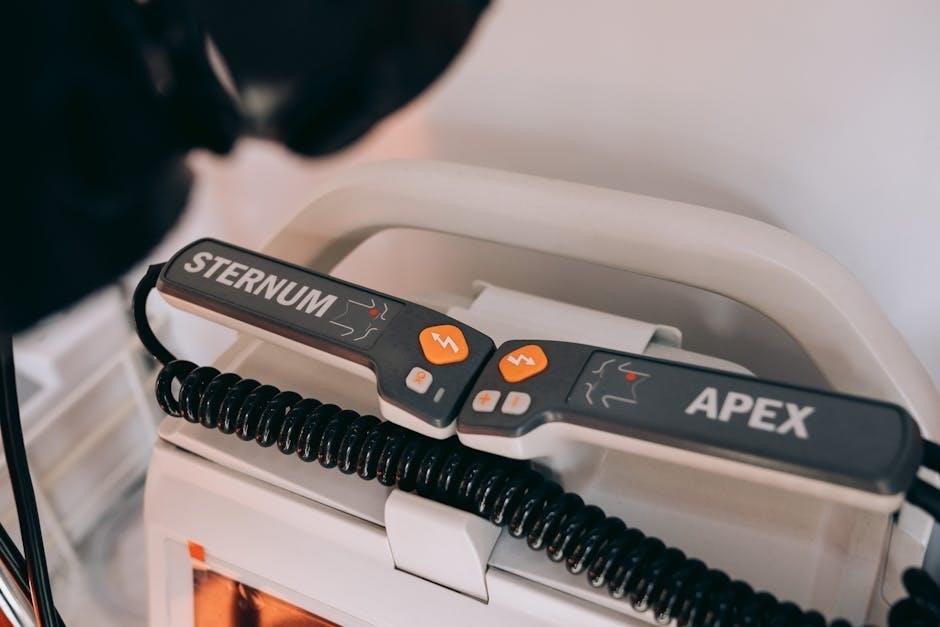
First‚ power on the AED and follow the voice prompts. Next‚ expose the victim’s chest and attach the AED pads – one on the upper right chest and the other on the lower left side. Ensure firm contact with the skin. The AED will then analyze the heart rhythm; do not touch the patient during analysis.
If a shock is advised‚ the AED will charge. Before delivering the shock‚ loudly announce “Clear!” ensuring no one is touching the victim. Press the shock button as instructed. After the shock‚ or if no shock is advised‚ immediately resume CPR‚ starting with chest compressions.
Continue following the AED’s prompts‚ alternating between analysis and CPR until emergency medical services arrive. Detailed diagrams and instructions are available in your CPR/AED/First Aid participant manual‚ providing a visual guide to each step of the process‚ ensuring confident and effective operation.
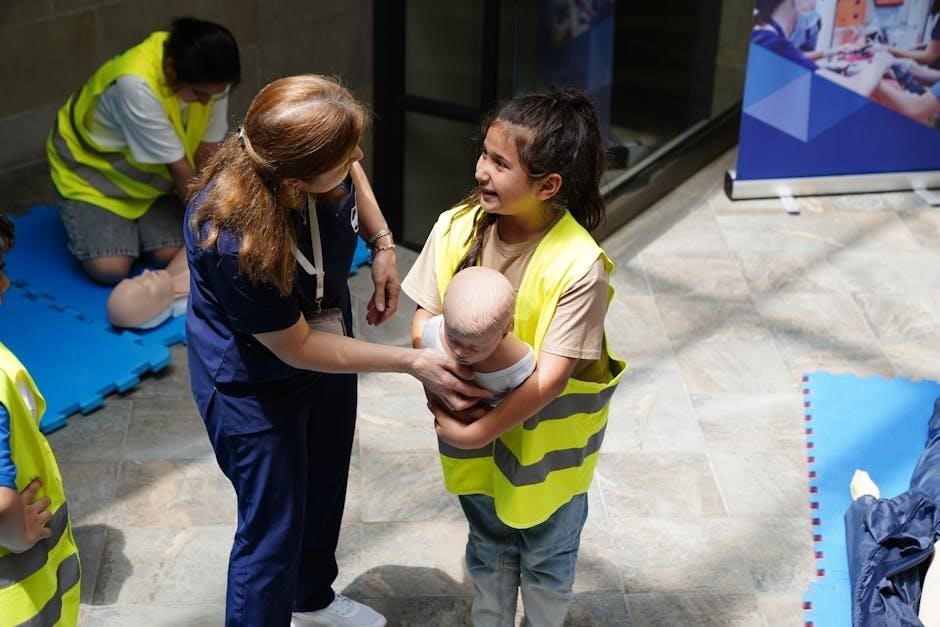
Essential First Aid Procedures
Responding to Emergencies‚ as detailed in the First Aid/CPR/AED manual‚ covers crucial skills like bleeding control and recognizing life-threatening situations.
Prompt‚ effective first aid can significantly improve outcomes while awaiting professional medical assistance.
Responding to Common Emergencies
Comprehensive First Aid/CPR/AED training‚ outlined in participant manuals‚ prepares individuals to confidently address a wide spectrum of emergency scenarios. These include‚ but aren’t limited to‚ sudden illnesses‚ injuries from accidents‚ and environmental emergencies.
Effective response begins with scene safety assessment‚ followed by primary survey – checking for responsiveness‚ airway‚ breathing‚ and circulation. Participants learn to recognize signs and symptoms of common conditions like heart attack‚ stroke‚ and allergic reactions.
The manual emphasizes the importance of activating emergency medical services (EMS) promptly and providing ongoing care until professional help arrives. Detailed instructions cover wound care‚ splinting fractures‚ managing burns‚ and addressing heat or cold-related illnesses. Understanding these procedures empowers individuals to become vital first responders in their communities.
Choking Relief – Adult‚ Child‚ and Infant
First Aid/CPR/AED participant manuals dedicate significant attention to choking relief‚ recognizing distinct techniques are required based on the victim’s age. For adults and children‚ the Heimlich maneuver – abdominal thrusts – is the primary method‚ detailed with clear illustrations.
The manual stresses assessing the victim’s ability to cough forcefully; if ineffective‚ intervention is crucial. For infants‚ back blows and chest thrusts are employed‚ differing significantly from the adult technique to avoid injury.
Training emphasizes recognizing the signs of choking – inability to speak‚ breathe‚ or cough – and acting swiftly. Participants practice these skills under the guidance of certified instructors‚ gaining confidence in their ability to dislodge an obstruction and potentially save a life. Proper technique‚ as outlined in the manual‚ is paramount.
Bleeding Control Techniques
First Aid/CPR/AED manuals comprehensively cover bleeding control‚ a critical skill in emergency response. The initial step involves direct pressure applied to the wound‚ utilizing a clean cloth or dressing‚ as detailed within the training materials.
Elevation of the injured limb is also emphasized to help reduce blood flow. Should direct pressure and elevation prove insufficient‚ the manual outlines techniques for pressure bandage application‚ ensuring firm‚ consistent compression.
Participants learn to recognize signs of severe bleeding – rapid blood loss‚ signs of shock – and understand when to activate emergency medical services. Training includes practical exercises‚ reinforcing proper technique and building confidence. The manual also addresses controlling bleeding from specific locations‚ like nosebleeds or scalp wounds.
CPR/AED/First Aid Manual Resources
Comprehensive First Aid/CPR/AED manuals are accessible in PDF format‚ providing detailed guidance and key terms like AEMT for effective emergency response training.
Accessing Digital Manuals (PDF Format)
Participants seeking supplementary learning materials will find readily available CPR‚ AED‚ and First Aid manuals in convenient PDF format online. These digital resources offer a portable and easily accessible way to review course content and reinforce learned skills.
While specific links to official ASHI manuals may require course enrollment or purchase‚ numerous reputable sources provide compatible training materials. These PDF guides typically cover essential topics such as adult‚ child‚ and infant CPR techniques‚ AED operation procedures‚ and comprehensive first aid protocols for various emergency scenarios.
Downloading and reviewing these manuals allows individuals to enhance their understanding and preparedness‚ ensuring they can confidently apply life-saving skills when needed. Remember to prioritize materials aligned with current ASHI guidelines for the most accurate and up-to-date information.
Key Terms & Definitions (AEMT‚ etc.)
Understanding specialized terminology is crucial for effective emergency response. Within the realm of CPR‚ AED‚ and First Aid‚ several key terms are frequently encountered‚ particularly for those pursuing advanced training.
An AEMT‚ or Advanced Emergency Medical Technician‚ represents a healthcare professional with a higher level of training than basic First Aid responders. Other important definitions include recognizing the function of an AED (Automated External Defibrillator) and mastering CPR (Cardiopulmonary Resuscitation) techniques for adults‚ children‚ and infants.
Participants’ manuals often include a glossary of terms‚ clarifying concepts like triage‚ vital signs‚ and the chain of survival. Familiarizing oneself with these definitions‚ as outlined in PDF format resources‚ ensures clear communication and confident application of life-saving skills during critical incidents.

ASHI Accreditation & Training Centers
ASHI (American Safety and Health Institute) offers accredited CPR‚ AED‚ and First Aid training through authorized centers‚ ensuring quality instruction and certification‚ as detailed in manuals.
Finding Accredited Training Providers
Locating a reputable and ASHI-accredited training center is crucial for receiving high-quality CPR‚ AED‚ and First Aid instruction. The ASHI website provides a comprehensive directory allowing you to search for providers in your local area‚ ensuring the course meets nationally recognized standards.
When selecting a provider‚ verify their current accreditation status and the qualifications of their instructors. Look for centers offering courses aligned with the latest guidelines and utilizing current participant manuals. Consider factors like class schedules‚ location convenience‚ and course fees to find the best fit for your needs.
Many community organizations‚ hospitals‚ and fire departments also host ASHI-approved courses. Don’t hesitate to inquire about available options within your community to maximize accessibility and potentially find cost-effective training opportunities. Prioritize providers committed to practical‚ hands-on training to build confidence and competence.
Course Costs & Availability
The cost of CPR‚ AED‚ and First Aid training varies depending on the provider‚ course format (in-person vs. blended learning)‚ and location. Generally‚ expect to pay a small fee‚ as indicated by the EHamp;S Office‚ for each class‚ covering instruction‚ materials‚ and certification. Prices typically range from $70 to $150 for a combined CPR/AED/First Aid course.
Course availability is widespread‚ with numerous providers offering classes on weekends‚ evenings‚ and sometimes weekdays to accommodate diverse schedules. Online resources and provider websites list upcoming course dates and registration details. Blended learning options‚ combining online modules with in-person skills sessions‚ offer flexibility.
Remember to factor in the cost of a participant manual if it isn’t included in the course fee. Regularly check provider websites for updated schedules and potential discounts‚ ensuring you receive current‚ accredited training.