
HOA Rules and Regulations: A Comprehensive Guide (2026)
Understanding homeowner association guidelines is crucial for community harmony; this guide details common rules, enforcement, and homeowner rights, ensuring full compliance.
Understanding Homeowners Associations (HOAs)
Homeowners Associations (HOAs) are organizations governing residential communities, enforcing rules to maintain property values and community standards. Typically, an HOA is run by a board of homeowners elected by the residents themselves. These associations establish and uphold covenants, conditions, and restrictions (CC&Rs) binding all property owners within the community.
The primary goal of an HOA is to ensure a consistent and appealing living environment. This involves overseeing common areas, managing finances, and addressing community concerns. HOAs operate based on governing documents, including bylaws and covenants, which outline the rules and regulations residents must follow. Understanding these documents is vital for all homeowners, as they detail rights, responsibilities, and potential consequences for non-compliance. Compliance with local, state, and federal laws is also paramount for HOA operations.

The Purpose of HOA Rules and Regulations
HOA rules and regulations serve a critical purpose: maintaining property values, ensuring a consistent community aesthetic, and fostering a harmonious living environment for all residents. These guidelines protect investments by preventing actions that could negatively impact neighborhood appeal or property values. They establish clear expectations for homeowners regarding property maintenance, landscaping, and exterior modifications.
Furthermore, regulations address common area usage, noise levels, pet ownership, and parking, minimizing conflicts and promoting peaceful coexistence. By enforcing these standards, HOAs aim to create a desirable community where residents can enjoy a high quality of life. Adherence to legal compliance, including local ordinances, is also a key purpose, ensuring the HOA operates within the bounds of the law and protects homeowner interests.
Common HOA Bylaws and Covenants
Typical HOA bylaws and covenants encompass a wide range of regulations designed to govern community living. These frequently include restrictions on exterior paint colors, landscaping choices, and architectural modifications, ensuring a uniform appearance. Many covenants address parking limitations, prohibiting overnight street parking or requiring permits for guest vehicles.
Pet restrictions are also common, outlining breed limitations, weight restrictions, or leash requirements. Noise regulations and quiet hours are often stipulated to maintain peaceful enjoyment for all residents. Trash and recycling guidelines dictate acceptable container types and collection schedules. These bylaws, enforced by the HOA board, aim to preserve property values and community standards, creating a predictable and well-maintained environment for homeowners.
Architectural Control Guidelines
Architectural control guidelines are pivotal in maintaining a community’s aesthetic consistency. These regulations typically require homeowners to submit plans for any proposed exterior modifications – additions, renovations, or even significant landscaping changes – to the HOA’s architectural review committee for approval.

The committee assesses these plans against pre-defined standards, ensuring they align with the community’s overall design and don’t negatively impact neighboring properties. Restrictions often cover materials, colors, and styles. Failure to obtain approval before commencing work can result in fines or the requirement to restore the property to its original condition. These guidelines safeguard property values and preserve the visual harmony of the neighborhood.
Exterior Modifications and Approvals
Homeowners desiring exterior changes must adhere to strict approval processes. This includes alterations like adding decks, patios, fences, or changing window/door styles. Detailed plans, including materials and color schemes, are generally required for submission to the architectural review committee.
The HOA evaluates these proposals based on established guidelines, ensuring consistency with the community’s aesthetic. Approvals aren’t automatic; committees may request revisions or deny proposals that don’t meet standards. Common reasons for denial include non-compliance with color palettes, inappropriate materials, or designs that clash with the neighborhood’s character. Always obtain written approval before starting any work to avoid potential fines and remediation costs.
Landscaping Requirements
HOAs often implement landscaping rules to maintain curb appeal and property values. These regulations can cover lawn maintenance standards – including grass height, weed control, and edging – as well as tree and shrub care. Some associations dictate approved plant species, prohibiting invasive or unsightly varieties.
Restrictions may also apply to hardscaping elements like walkways, retaining walls, and decorative rocks. Homeowners are typically responsible for maintaining their yards, and failure to comply with landscaping rules can result in warnings and fines. Regularly check your HOA’s guidelines for specific requirements, as they can vary significantly between communities. Proactive landscaping contributes to a well-maintained and attractive neighborhood.
Property Maintenance Standards
Maintaining property values is a core function of most HOAs, achieved through clearly defined maintenance standards. These standards typically encompass both interior and exterior aspects of homes. Exterior requirements often include stipulations regarding siding, roofing, windows, and doors – dictating acceptable conditions and approved materials for repairs or replacements.
Regular upkeep is expected, preventing visible deterioration. HOAs may also address issues like pest control and mold prevention. Failure to adhere to these standards can lead to notices of violation and potential fines. Proactive maintenance not only preserves property values but also fosters a sense of community pride and ensures a consistently attractive neighborhood appearance for all residents.
Lawn Care and Weed Control
Lawn maintenance guidelines are frequently detailed within HOA covenants, aiming for a consistently neat and attractive neighborhood aesthetic. These rules often specify acceptable grass heights, requiring lawns to be mowed regularly – typically weekly during growing seasons. Weed control is also a key component, with homeowners generally responsible for eliminating both broadleaf weeds and grassy weeds.
Restrictions on landscaping may exist, dictating permissible plant types or prohibiting certain ground covers. Some HOAs mandate fertilization schedules or require the use of specific weed control products. Neglecting lawn care or allowing excessive weed growth can result in violation notices and associated penalties, reinforcing the community’s commitment to curb appeal.
Exterior Painting and Repairs
HOA regulations often heavily govern exterior aesthetics, including painting and repairs. Most associations require homeowners to obtain approval before commencing any exterior painting, specifying acceptable color palettes to maintain community uniformity; This ensures a cohesive look and prevents jarring color schemes.
Repair requirements extend beyond paint, encompassing siding, roofing, and other visible exterior elements. HOAs may dictate the materials used for repairs, demanding consistency with the original construction. Deferred maintenance, such as peeling paint or damaged siding, can trigger violation notices; Timely repairs are crucial, not only for aesthetics but also for preserving property values and preventing further deterioration. Proper approvals are essential to avoid fines.
Use of Common Areas
Common areas – pools, clubhouses, parks, and landscaping – are for all residents’ enjoyment, but their use is subject to HOA rules. These regulations aim to ensure fair access, safety, and maintain the areas’ condition. Pool and clubhouse regulations often cover hours of operation, guest policies, and rules regarding food and beverages.
Parking restrictions are also common, dictating where residents and guests can park, potentially limiting overnight parking or requiring permits. Respecting these rules prevents congestion and ensures accessibility for everyone. Misuse of common areas, like hosting unauthorized events or leaving personal belongings unattended, can result in fines or loss of privileges. Adherence to these guidelines fosters a pleasant community environment.
Pool and Clubhouse Regulations
Pool regulations prioritize safety and hygiene. HOA rules typically establish specific hours of operation, often seasonally adjusted, and may require children to be accompanied by an adult. Glass containers are usually prohibited around the pool area to prevent breakage and injuries; Rules regarding appropriate swimwear and conduct are also common, ensuring a family-friendly atmosphere.
Clubhouse regulations govern reservations for events, guest limits, and cleanup responsibilities. Noise levels are often restricted, particularly during quiet hours, to avoid disturbing nearby residents. Damage to clubhouse property is the responsibility of the renter. Adhering to these guidelines ensures the facilities remain enjoyable for all community members, preventing conflicts and maintaining a positive environment.
Parking Restrictions
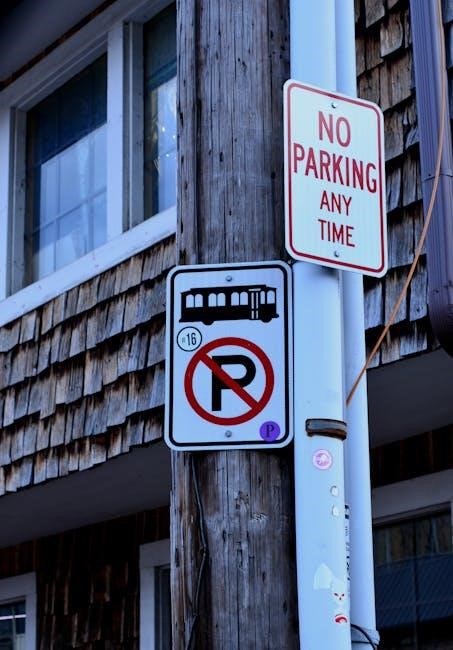
HOA parking rules aim to maintain order and ensure equitable access to parking spaces. Many associations designate specific areas for resident and guest parking, often with permit requirements. Restrictions frequently address overnight parking of commercial vehicles, recreational vehicles (RVs), and boats. Parking on lawns or blocking sidewalks is almost universally prohibited.
Guest parking policies typically limit the duration of visitor parking and may require guests to display a temporary pass. HOAs may tow vehicles violating parking regulations at the owner’s expense. Consistent enforcement of these rules prevents congestion and disputes, contributing to a well-maintained and accessible community for all residents. Understanding these guidelines is vital for avoiding fines or vehicle removal.
Pet Restrictions and Policies
HOA pet policies are common, designed to balance pet ownership with community living. These often include restrictions on the number, size, and breed of pets allowed. Certain breeds deemed “aggressive” may be prohibited entirely, prioritizing resident safety. Leash laws are standard, requiring pets to be controlled when in common areas.
Pet owners are typically responsible for cleaning up after their animals and preventing excessive noise. Some HOAs require pet registration and proof of vaccinations. Failure to comply with these rules can result in fines or even the removal of the pet. These policies aim to ensure a peaceful and sanitary environment for all community members, fostering responsible pet ownership.
Noise Regulations and Quiet Hours
HOA noise regulations are implemented to maintain a peaceful living environment for all residents. These typically establish “quiet hours,” often between 10 PM and 7 AM, during which noise levels must be minimized. Restrictions commonly apply to loud music, power tools, excessive vehicle noise, and boisterous gatherings.
Enforcement of noise rules can be challenging, often relying on neighbor complaints. However, repeated violations can lead to warnings, fines, or other penalties as outlined in the HOA’s governing documents. Reasonable accommodations may be considered for occasional events, but advance notice is usually required; The goal is to strike a balance between individual enjoyment and community tranquility.
Trash and Recycling Guidelines

HOA trash and recycling guidelines aim to maintain community cleanliness and aesthetics. These rules often dictate designated trash collection days, acceptable container types, and placement restrictions – typically requiring bins be stored out of sight except on collection days. Some HOAs mandate specific recycling procedures, aligning with local municipal programs.
Regulations may also address bulk item disposal, yard waste management, and proper waste segregation. Failure to comply can result in warnings or fines. Consistent enforcement ensures a tidy neighborhood and prevents pest issues. Clear communication of these guidelines, often through newsletters or posted notices, is essential for resident understanding and cooperation.
HOA Rule Enforcement Procedures
HOA rule enforcement typically begins with a violation notice, detailing the infraction and requesting corrective action within a specified timeframe. If unresolved, fines may be levied, escalating with repeated offenses. A crucial component is a fair hearing and appeal process, allowing homeowners to present their case to the board or a designated committee.
Due process is paramount; homeowners must receive adequate notice of hearings and have the opportunity to respond to allegations. Enforcement should be consistent and non-discriminatory, applying rules equally to all residents. Documentation of all violations, notices, and appeals is vital for transparency and potential legal defense. Ignoring enforcement can undermine the HOA’s authority.
Violation Notices and Fines
Violation notices serve as the initial step in HOA enforcement, clearly outlining the specific rule breached, the date of the infraction, and required corrective actions. These notices must be delivered with sufficient detail to allow the homeowner to understand and address the issue promptly. A reasonable timeframe for compliance should be included.
Fines are typically implemented for repeated or unaddressed violations. HOA governing documents will specify a fine schedule, often escalating with each subsequent offense. Due process requires homeowners receive notice of the fine, the right to appeal, and a clear explanation of the violation. Consistent application of fines is crucial; selective enforcement can lead to legal challenges.
Hearing and Appeal Processes
HOAs must provide a fair and impartial process for homeowners to contest violations or fines. This typically begins with a written appeal to the HOA board, detailing the reasons for disagreement with the initial assessment. A hearing should then be scheduled, offering the homeowner an opportunity to present their case directly to the board.
Due process demands adequate notice of the hearing, the right to present evidence and witnesses, and a written decision following the hearing. Appeal processes may include further review by a committee or, in some cases, mediation or arbitration. Transparency and documented procedures are vital to ensure fairness and avoid legal disputes.
Homeowner Rights and Responsibilities
Homeowners within an HOA possess specific rights, including the right to attend board meetings, access HOA records (within legal limitations – see Georgia specifics later), and voice concerns regarding community management. Equally important is the responsibility to adhere to the established covenants, conditions, and restrictions (CC&Rs).
These responsibilities encompass maintaining property standards, paying assessments on time, and respecting the rights of fellow residents. A harmonious community relies on mutual respect and cooperation. HOAs also have a duty to treat all members equally, avoiding discriminatory practices. Understanding both rights and responsibilities fosters a positive living environment and minimizes potential conflicts.
Access to HOA Records (Georgia, Fulton County Specific)

Georgia law, specifically pertaining to Fulton County, grants homeowners the right to inspect HOA records. This includes financial documents, meeting minutes, contracts – like those signed with vendors – and governing documents. However, access isn’t unlimited. HOAs can reasonably restrict access to records containing personal information of other homeowners.

Requests must be made in writing, and the HOA generally has a specified timeframe to respond. If a request is denied, the HOA must provide a valid reason. Homeowners facing undue denial of access may seek legal counsel. Understanding these rights is crucial for transparency and accountability within the community, ensuring responsible financial management and governance.
Legal Compliance: Federal, State, and Local Laws
HOA rules aren’t absolute; they must align with all applicable federal, state, and local laws. Federal laws, like the Fair Housing Act, prohibit discrimination. State laws, such as Georgia’s HOA statutes, govern operations and homeowner rights. Local ordinances – zoning laws and building codes – also take precedence.
Conflicts between HOA regulations and these external laws are resolved in favor of the higher law. For example, a local ordinance permitting a certain structure overrides an HOA ban. HOAs have a legal duty to ensure their rules are compliant, and homeowners can challenge non-compliant regulations. Regular legal review is advisable for HOAs.
Conflicts Between HOA Rules and Local Ordinances
When HOA rules clash with local ordinances – zoning, building codes, or land-use regulations – the local law generally prevails. This principle ensures communities adhere to broader governmental standards. An HOA cannot enforce a rule that violates a legally mandated ordinance; such a rule is considered unenforceable.
For instance, if a city allows fences exceeding an HOA’s height restriction, the city ordinance takes precedence. Homeowners can appeal HOA decisions conflicting with local laws. HOAs should proactively review local ordinances to avoid creating conflicting rules. Understanding this hierarchy is vital for both HOAs and homeowners, preventing disputes and ensuring legal compliance within Fulton County, GA.
Amendments to HOA Rules and Regulations
Modifying HOA rules requires a formal process, typically outlined in the governing documents. Amendments usually necessitate a vote by the membership, adhering to specified quorum and approval thresholds. The board cannot unilaterally change rules without homeowner consent, ensuring democratic governance.
Proposed amendments must be clearly communicated to all homeowners, allowing sufficient time for review and feedback. Changes should align with applicable laws and not be discriminatory. Documenting the amendment process – proposals, votes, and resulting revisions – is crucial for transparency and legal defensibility. In Fulton County, GA, adherence to state law regarding amendments is paramount for valid rule changes.
Community Pool Establishment Considerations
Establishing a community pool involves significant planning and financial commitment. Initial assessments must cover costs – construction, ongoing maintenance, insurance, and potential liability. Homeowner approval, often requiring a special assessment, is essential before proceeding. Detailed rules governing pool usage are vital, addressing hours, guest policies, and safety regulations.
Considerations include accessibility compliance (ADA), fencing requirements, and lifeguard provisions. Ongoing operational costs, like chemical treatments and repairs, must be factored into the HOA budget. As communities in Illinois transition from developer control, pool feasibility studies are recommended. Proper planning minimizes risks and maximizes enjoyment for all residents, ensuring a valuable community amenity.
Equal Treatment of HOA Members
Homeowners Associations have a fundamental duty to treat all members equitably, avoiding discriminatory practices. Selective enforcement of rules, or applying different standards to similar situations, can lead to legal challenges. Consistent application of covenants and bylaws is paramount, ensuring fairness and transparency in all dealings.
This principle extends to architectural reviews, violation notices, and access to community amenities. Dealing with HOA boards can be frustrating, but equal treatment under the law is non-negotiable. Documentation of all decisions and communications is crucial for demonstrating impartiality. A commitment to fairness fosters a positive community environment and minimizes potential disputes, upholding the integrity of the HOA.
HOA Formation and Initial Covenants (Illinois Example)
In Illinois, as with many states, HOA formation typically begins with a developer establishing initial covenants during property development. These early documents, often recorded with the county, define lot lines, architectural standards, and initial rules governing the community. A developer in 2006 established these foundational elements, outlining property rights and restrictions.
These initial covenants are legally binding and run with the land, affecting all future property owners. They often address issues like landscaping, exterior maintenance, and permitted uses. Amendments require homeowner approval, as outlined in the governing documents. Understanding these initial covenants is vital for both developers and homeowners, establishing the framework for community living and future governance.
Developer Control and Transition
Initially, developers often retain significant control over newly formed HOAs, appointing the first board of directors and establishing initial rules. This period allows them to maintain community standards and ensure the successful completion of the development. However, a crucial aspect of HOA formation is the eventual transition of control to the homeowners.
This transition, as seen in the Illinois example nearing completion in 2026, involves homeowners electing their own board and assuming responsibility for managing the association. A clear transition plan, outlined in the governing documents, is essential for a smooth handover. It addresses financial records, outstanding developer obligations, and the transfer of operational control, ensuring community self-governance.
Resources for HOA Information and Assistance
Navigating HOA rules and regulations can be complex; fortunately, numerous resources offer guidance and support. State HOA websites provide information on relevant laws and best practices. Community Associations Institute (CAI) is a leading organization offering education, resources, and advocacy for HOAs and homeowners.
For Georgia residents, particularly in Fulton County, the county government website and legal aid societies can provide specific information regarding access to HOA records and dispute resolution. Online forums and social media groups dedicated to HOA living can also offer peer-to-peer support and advice. Consulting with a qualified attorney specializing in HOA law is recommended for complex legal issues.