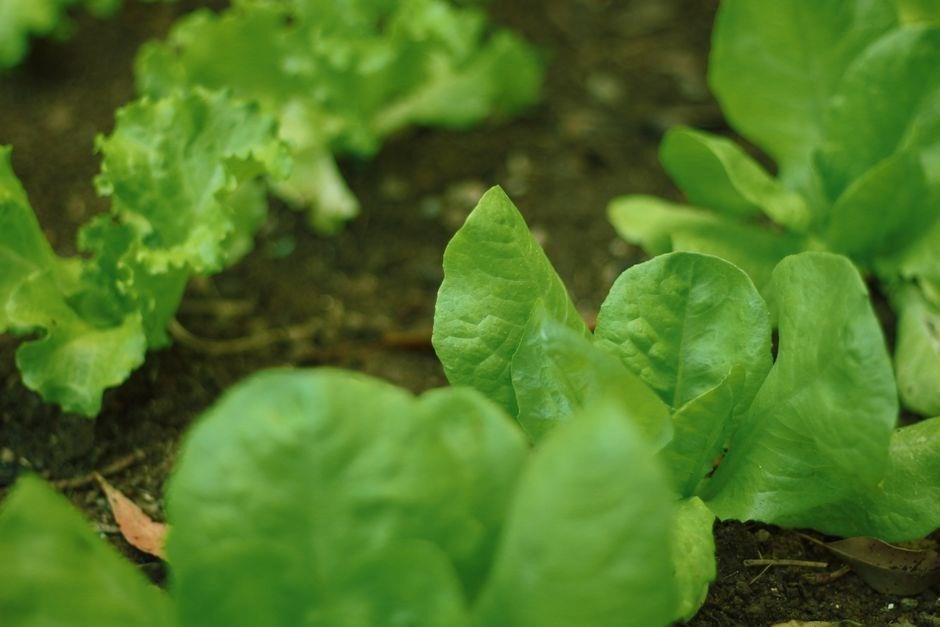
This Australian Vegetable Planting Guide PDF offers a concise, season‑specific roadmap for growers, detailing when and where to sow, key crop pairings, soil prep tips, and harvesting windows tailored to local climates. It offers clear guidance for every season, helping growers achieve maximum yields!!!
Purpose and Scope of the PDF
This PDF serves as a comprehensive, region‑specific reference for Australian vegetable growers, consolidating seasonal planting windows, optimal soil amendments, and crop‑compatibility insights into one accessible format. Designed for both novice and experienced gardeners, it distills complex horticultural data into clear, actionable steps that align with the country’s distinct climate zones. The guide covers the full annual cycle, from seed selection and sowing dates to harvesting schedules and post‑harvest handling, ensuring that each crop reaches its peak flavour and nutritional value. By integrating evidence‑based recommendations from local research institutions and industry partners, the PDF empowers growers to make informed decisions that maximise yield while minimising resource use. Additionally, it includes practical troubleshooting tips for common pests, diseases, and environmental stresses, helping users adapt strategies to their specific garden conditions. The document is formatted for easy printing and digital use, featuring a concise layout, colour‑coded sections, and downloadable charts that can be referenced on the go. Overall, the PDF is a one‑stop tool that streamlines planning, reduces guesswork, and promotes sustainable, high‑quality vegetable production across Australia’s diverse regions. supports nutrition and community sustainability.
Readers can download the PDF from Love the Garden, where tools adapt planting dates to local microclimates. Following the guide boosts crop resilience, cuts input costs, and delivers a richer harvest that supports nutrition
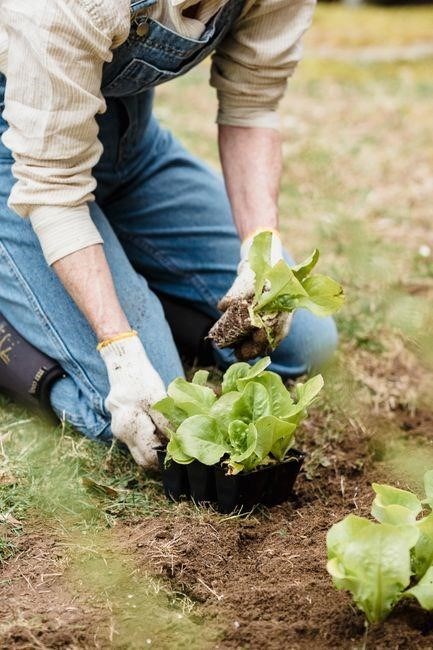
Planting Seasons in Australia
Australia’s vegetable calendar hinges on two main seasons: spring (September‑November) and autumn (March‑May). These windows align with optimal temperatures and rainfall, ensuring seedlings thrive and yields peak. Adjusting planting times to microclimates maximises success.
Spring and Autumn as Main Planting Periods
Spring and autumn are the core windows for planting in Australia, aligning with moderate temperatures and reliable rainfall. In spring (September to November), soil warms up after winter, encouraging germination and early growth; Farmers often start seedlings indoors in late winter, transplanting them into the garden as temperatures rise. Autumn (March to May) offers a cooler, drier period ideal for root crops and leafy greens that thrive in lower heat. The timing of each crop’s maturity varies; leafy greens may finish in 30–45 days, while root vegetables can take 60–90 days. The Australian Vegetable Planting Guide PDF provides a month‑by‑month breakdown, helping growers plan sowing dates, spacing, and expected harvest windows. It also highlights regional variations: in the cooler southeast, planting may shift slightly later to avoid frost, whereas in the warmer north, early spring planting can be extended into early summer. By following the guide, growers can optimise yield, reduce stress on plants, and ensure a steady supply of fresh produce throughout the year. The guide is a practical tool that translates climate data into actionable planting schedules, making it easier for both novice and experienced gardeners to navigate the seasonal rhythms of Australian agriculture.
The guide also offers practical tips on companion planting, soil amendments, and seasonal pest monitoring, ensuring that each crop receives the right nutrients and protection at the right time, thereby maximizing both yield and quality. The PDF also includes a concise checklist for each crop, covering soil pH, seed depth, and optimal spacing, ensuring that gardeners can quickly assess readiness and make informed decisions. This practical resource saves time and boosts confidence grow.!
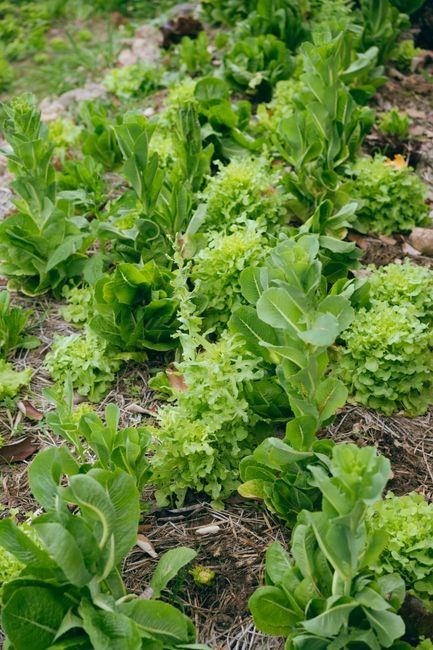
Crop Pairings and Compatibility
Love the Garden’s PDF reveals ideal companion crops, such as tomatoes with basil, and warns against problematic pairings like beans with lettuce. The guide lists seasonal compatibility, ensuring optimal growth and pest control for Australian gardens. Rotating crops keeps soil healthy and cuts disease risk now
What Crops to Plant Together and Which Pairings to Avoid
According to the Australian Vegetable Planting Guide PDF, companion planting can boost yields and reduce pests. Tomatoes thrive next to basil, marigolds, and carrots, while avoiding proximity to cabbage and onions which can stunt growth. Beans and peas pair well with corn and squash, but should not be planted with lettuce or spinach, as the legumes can draw away nitrogen needed by leafy greens. Carrots and onions are compatible, yet should not be mixed with potatoes, which can spread blight. Seasonal rotation is key: in spring, sow lettuce with radish and spinach; in autumn, pair broccoli with cauliflower and kale. Avoid planting tomatoes near potatoes or eggplants, as they share susceptibility to blight. The guide recommends spacing 30–45 cm between companion crops to allow airflow and reduce fungal risk. By following these pairings, gardeners can maintain soil fertility, minimize disease, and enjoy a diverse harvest throughout the year. Rotating legumes into the garden after leafy greens replenishes nitrogen, boosting subsequent crop vigor. Avoid planting root crops like carrots and beets near onions, as the onion’s sulfur compounds can inhibit root development. For fruiting vegetables, interplanting marigolds helps deter nematodes, while basil near peppers reduces fungal pressure. Always check local pest reports before planting, as climate shifts can introduce new threats to familiar crops. Using mulch around seedlings conserves moisture, suppresses weeds, and keeps soil temperatures stable in the garden.!!
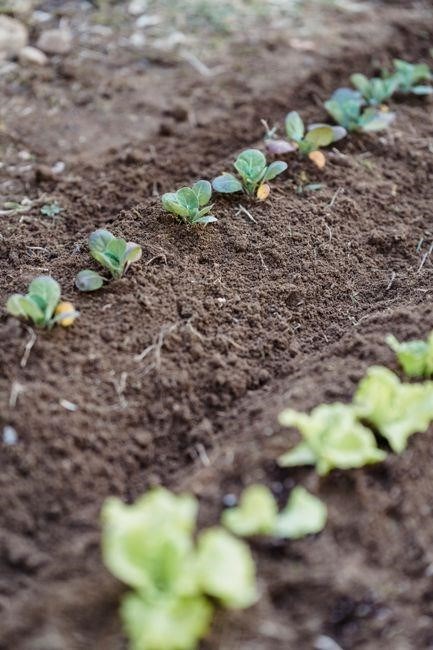
Monthly Planting Calendar Downloadable PDF
The downloadable PDF offers a month‑by‑month guide for Australian growers, detailing optimal sowing dates, companion crops, and harvest windows. It includes seasonal tips, soil prep recommendations, and a clear calendar layout to help plan every planting cycle efficiently. Download to stay ahead of seasons.!
Accessing and Using the Planting Calendar from Love the Garden
To download the monthly planting calendar, visit the Love the Garden website and locate the “Monthly Planting Calendar” article. Click the link, then tap the download button to save the PDF to your device. Once opened, the calendar displays each month with recommended vegetable crops, ideal sowing dates, and companion‑planting suggestions. Use the calendar by matching your local climate zone, noting the suggested planting windows for spring and autumn. The PDF also includes a quick‑reference table for harvest times and a notes section for personal adjustments. For digital use, bookmark the page and set reminders for key sowing dates. If you prefer a printed version, print the PDF and affix it to a wall calendar or keep it in your gardening journal. The calendar’s clear layout helps you plan successive crops, avoid incompatible pairings, and optimise soil fertility throughout the year. By following the Love the Garden guide, you can streamline your planting schedule and improve yields across all seasons. Additionally, the calendar offers seasonal reminders for fertiliser application and pest monitoring. By aligning these tasks with the planting schedule, you reduce labour and increase crop resilience. The PDF is interactive on most tablets, allowing you to tap dates for detailed notes. Share your progress on social media or with local gardening groups to exchange tips. Keep a log beside the calendar to record yields and any deviations, which will refine future planting plans. Check the PDF each year for updates on climate changes!!
Soil Preparation and Fertilisation
Before sowing, test soil pH and amend with lime or sulfur to reach 6.0‑6.5. Incorporate organic compost, then apply a balanced 10-10-10 fertiliser at planting. Follow up with side‑dressing in mid‑season to sustain nutrient levels and support healthy growth.
Choosing the Right Fertiliser for Australian Soil Conditions
Australian soils vary from sandy coastal plains to fertile loams in the Murray–Darling basin, each demanding a tailored fertiliser regime. Start with a comprehensive soil test to determine pH, organic matter, and macro‑micronutrient levels. Most Australian vegetable gardens thrive at a pH of 6.0–6.5; adjust with lime or elemental sulfur accordingly. For sandy soils, incorporate high‑quality compost or well‑rotted manure to boost water‑holding capacity and slow‑release nutrients. In clayey regions, a balanced 10‑10‑10 granular fertiliser applied before planting, followed by a side‑dressing of 5‑10‑5 in mid‑season, helps prevent nutrient lock‑in and promotes root development. Organic options such as bone meal, blood meal, and kelp extract provide slow‑release nitrogen, phosphorus, and trace minerals, ideal for sustainable growers. Synthetic blends like MiracleGro or Scotts Miracle‑Gro 10‑10‑10 offer precise nutrient ratios for rapid uptake, but require careful application to avoid over‑fertilisation. Micronutrient deficiencies—particularly iron, zinc, and manganese—are common in high‑pH soils; a foliar spray of micronutrient solution or a granular iron chelate can correct these issues quickly. Finally, monitor plant response: lush, green foliage indicates adequate nitrogen, while pale leaves may signal deficiency or excess salt build‑up. Adjust fertiliser schedules quarterly, aligning with crop growth stages and local rainfall patterns to maximise yield and minimise waste.
Watering Guidelines for Optimal Growth
Optimal watering hinges on soil type, weather, and plant stage. In summer, water early morning or late afternoon, reducing evaporation. Use drip or soaker hoses to deliver 2–3 cm per week, adjusting for rainfall. Mulch conserves moisture and keeps roots cool.
Adjusting Watering Schedules Across Seasons
In Australia’s diverse climates, watering must adapt to seasonal shifts. During spring, soil moisture rises from winter rains; a light, frequent watering of 1–2 cm per week keeps seedlings hydrated without waterlogging. As temperatures climb in summer, increase depth to 3–4 cm, watering early in the day to minimise evaporation, and apply mulch to retain soil moisture. In autumn, cooler nights and reduced evapotranspiration allow a moderate schedule of 2 cm weekly, ensuring roots remain moist for fruit set. Winter’s low temperatures and higher rainfall reduce the need for supplemental irrigation; monitor soil moisture and water only when the top 5 cm feels dry. Employing a rain gauge and a soil moisture meter helps fine‑tune schedules, preventing both drought stress and root rot. Consistent, season‑appropriate watering maximises yield and promotes healthy plant growth throughout the year. To fine‑tune irrigation, use a soil moisture sensor that alerts when the top 5 cm dries, allowing precise watering. In regions with high rainfall, incorporate rain barrels to capture excess water, reducing runoff and conserving resources. During hot spells, double the watering volume in the early morning to offset evaporation, but avoid over‑watering in cooler nights. Use mulch layers of bark or straw to maintain soil moisture, suppress weeds, and improve soil structure. Rotate crops to prevent nutrient depletion and reduce disease pressure. Finally, record weekly rainfall and irrigation amounts in a garden log to refine future schedules and
Pest and Disease Management Strategies
Use companion planting, rotate crops, and maintain clean beds to deter pests. Apply organic neem oil or copper sprays for fungal issues. Monitor weekly, prune, and use row covers to protect seedlings. Early detection and proper sanitation keep yields high. Use bio‑fungicides and maintain airflow. Keep.!!!
Common Issues and Prevention Tips for Australian Gardeners
Australian gardens routinely battle pests and diseases that can curtail a season’s yield. The most frequent problems are fungal blights like powdery mildew and early blight, root‑rot from over‑watering, aphids and whiteflies, and nutrient‑deficiency streaks that show as yellow leaves. Prevention begins with a good foundation: test soil pH and macro‑nutrient levels every two years and amend with lime or sulphur to keep pH between 6.0 and 6.5. Choose disease‑resistant varieties and plant in well‑drained beds or raised platforms to avoid waterlogged roots. Keep beds tidy by removing fallen leaves and debris that harbour spores, and mulch with organic material to moderate soil temperature and reduce splash damage. Space plants according to their mature spread to improve air circulation, which dries leaf surfaces faster and discourages fungal growth. Install drip or soaker hoses to deliver water directly to the root zone, keeping foliage dry and reducing the risk of fungal spores settling on leaves. Rotate crops each season so that a family of plants does not occupy the same soil twice in a row; this breaks the life cycle of many soil‑borne pathogens. Use row covers or netting in the early stages to protect seedlings from aphids and whiteflies, and monitor plants weekly for early signs of pest activity. When pests appear, apply targeted, low‑toxicity controls such as neem oil or insecticidal soap, and encourage natural predators by planting companion herbs like dill or marigold. By combining these practices—soil testing, spacing, targeted irrigation, crop rotation, and monitoring—gardeners can keep disease pressure low, maintain plant health, and secure a bountiful harvest.
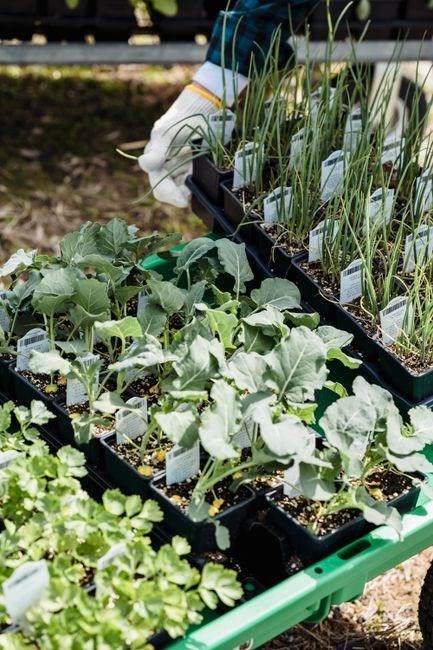
Harvest Timing and Storage Recommendations
Harvest when vegetables reach peak size and colour, usually 2–4 weeks after planting. Cool, dry storage prolongs shelf life: root crops in cool rooms, leafy greens in fridge, tomatoes at room temperature. Proper cleaning and drying before storage prevents spoilage. Keep in sealed bags to extend freshness days
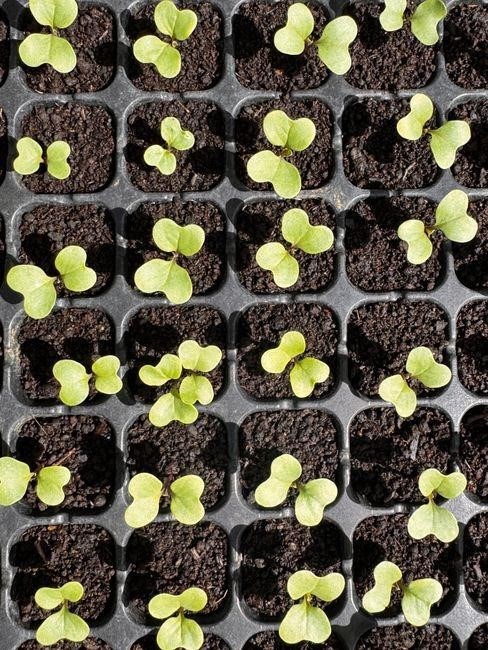
When to Harvest and How to Store Vegetables for Longevity
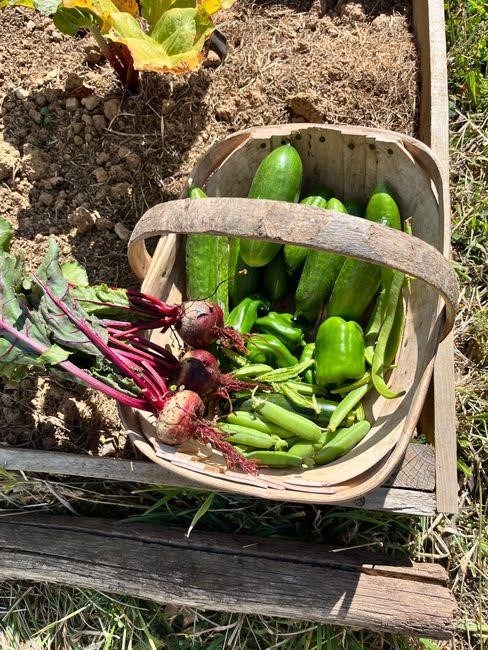
Harvest timing is critical for flavour, texture and nutrient retention. In Australia, most vegetables reach peak maturity when they have fully coloured, firm flesh and a pleasant aroma. For root crops such as carrots, beetroot and parsnips, the ideal window is when the skin has smooth and the root has reached its target size, usually 60–90 days after sowing. Leafy greens like lettuce, spinach and kale should be harvested just before the first frost or when the leaves are crisp, typically 30–45 days after planting. Fruit‑bearing crops such as tomatoes, peppers, cucumbers and eggplants are best picked when the skin has a uniform colour and the fruit feels slightly firm to the touch, usually 70–90 days after transplanting. Once harvested, storage conditions vary by vegetable type. Cool, dark, well‑ventilated rooms are ideal for root crops; keep them at 4–8 °C with high humidity to prevent shrivelling. Leafy greens thrive in a refrigerator’s crisper drawer at 0–2 °C; wash, dry and store in perforated plastic bags to maintain crispness for up to a week. Tomatoes should be stored at room temperature (15–20 °C) away from direct sunlight to preserve flavour, but once sliced they must be refrigerated. Peppers and cucumbers do best in a cool, dry place, and can be kept for several days if wrapped loosely. For all produce, avoid washing before storage unless you plan to use immediately, as moisture encourages mould. Proper handling, trimming stems and removing damaged parts, extends shelf life and ensures each bite stays fresh for longer!? OK